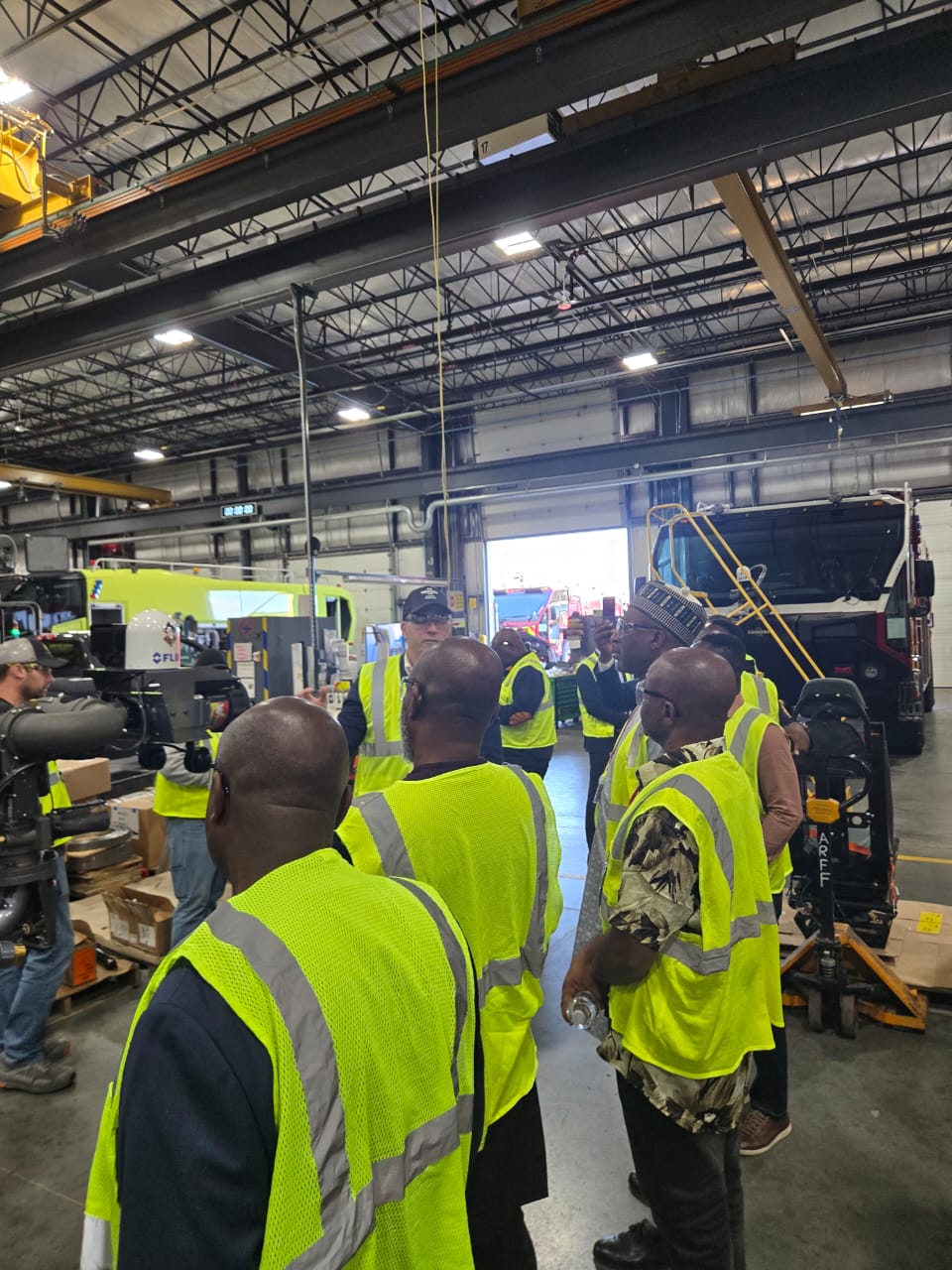
The invoice is where the cost of an emergency vehicle starts, not where it ends. Maintenance, parts, downtime and training decide what a fleet really costs to keep ready.
When institutions compare fire and rescue equipment, the purchase price is the easiest number to see and the easiest to compare. It is also only one part of the cost of keeping a vehicle ready to respond.
What sits behind the purchase price
Over its service life an apparatus needs inspection, preventive maintenance, spare parts, fuel and consumables, trained operators and technicians, and eventually repair or refurbishment. When any of these is missing, the cost shows up as downtime, deferred repairs, or a vehicle that cannot respond when it is needed.
Questions worth asking before you buy
Can the equipment be serviced locally? Are parts and technical support available, and for how long? Who will train the operators and the technicians? What will this fleet need in ten years? Comparing offers on these questions gives a more honest picture than comparing price alone.
Repair when it creates value. Replace when it is responsible.
Good lifecycle planning is not about keeping every vehicle forever. It is about knowing when repair creates sustainable value and when replacement is the responsible decision.